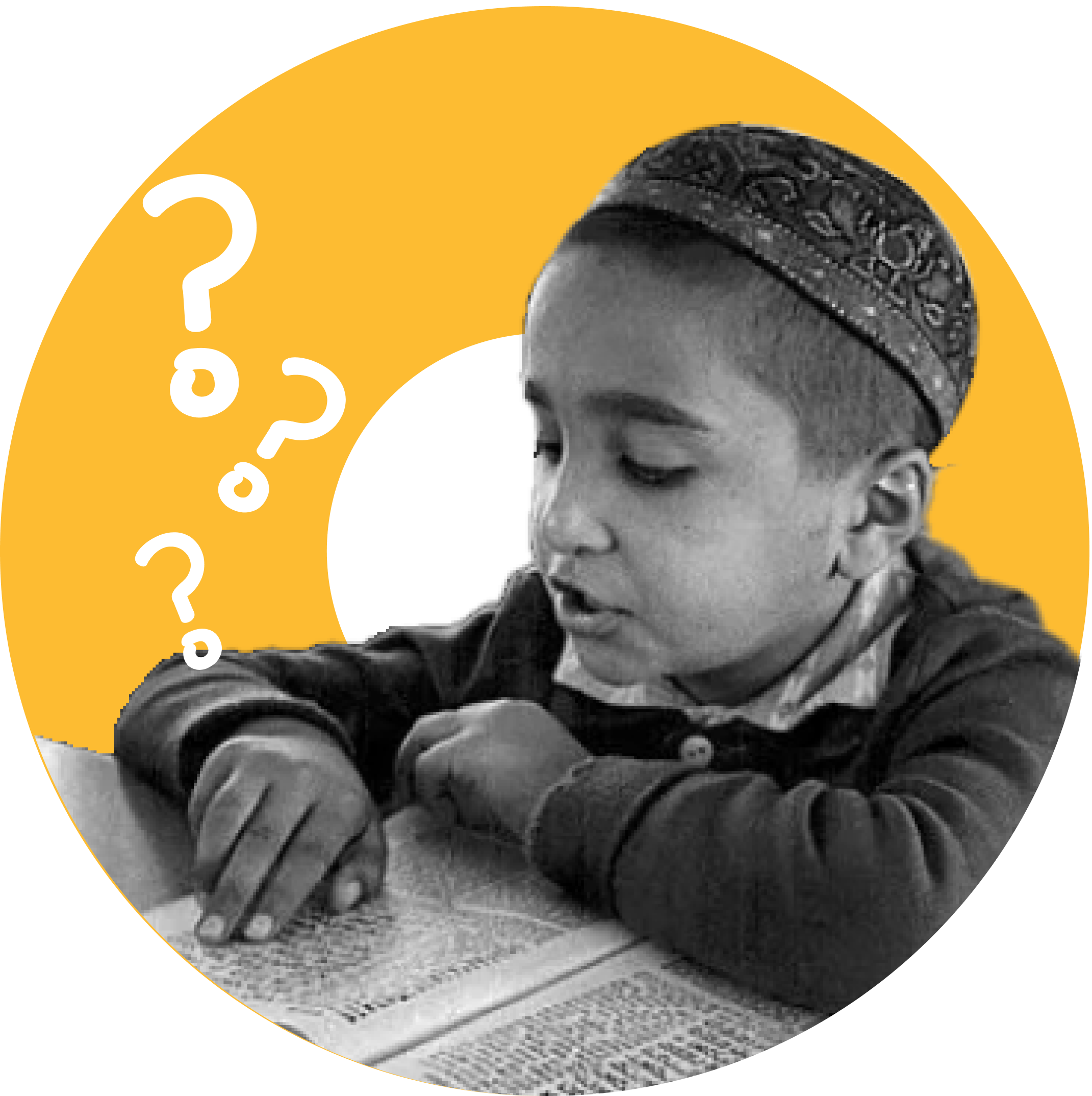





Prayer is one of the primary expressions of faith. A human being is not perfect. We have flaws we would like to correct. Thus, it makes sense to turn to the Creator and pray for help. There are two catalysts that lead people to pray. Most people feel a need to pray when their lives have been disrupted. For example, when they are sick or injured, when the pain is overwhelming. Then we realize that doctors cannot guarantee our health and wellbeing. Only God, Who has the whole world in His hands, can heal us and provide us with a wonderful, long life. When this recognition strikes, we pray to God to heal us from the bottom of our heart. Similarly, when one is suffering – whether livelihood is threatened, or the person is being attacked and friends are turning their backs– one realizes one’s good life hangs by a thread, so we turn to God for help. In fact, whenever we find ourselves in trouble, there is a mitzva to turn to God and pray. Similarly, if the Jewish people are in trouble, there is a mitzva for them to pray to God for salvation.
Additionally, those who stop and think about it understand that even when life is routine, it is still not perfect. Even when people are healthy, making a good living, and have solid family relationships, their lives are still finite. Even if everything is going well, eventually they will die of old age. And even when they are young and strong, they will not be able to realize all their dreams. Fully realizing even one dream may be impossible. Anyone who internalizes this feels helpless. This is when they can turn to God, Master of heaven and earth, the only one Who can redeem them from their flaws. By turning to God in prayer, they begin to improve and elevate themselves, taking steps toward personal redemption. Thus, there is a mitzva for every person to pray to God daily and ask for help in improving him or herself.